

Description
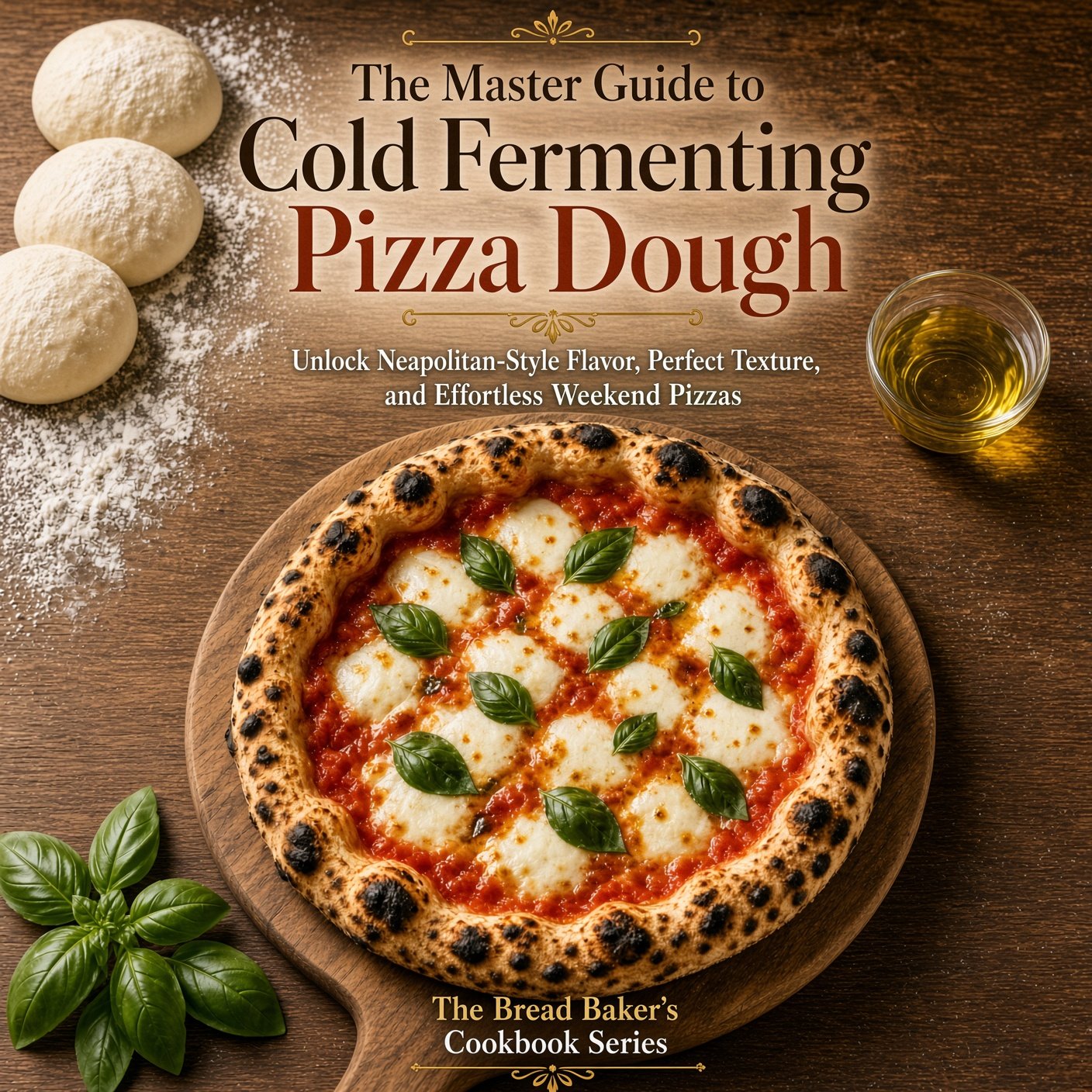
The Master Guide to Cold Fermenting Pizza Dough
Unlock Neapolitan-Style Flavor, Perfect Texture, and Effortless Weekend Pizzas
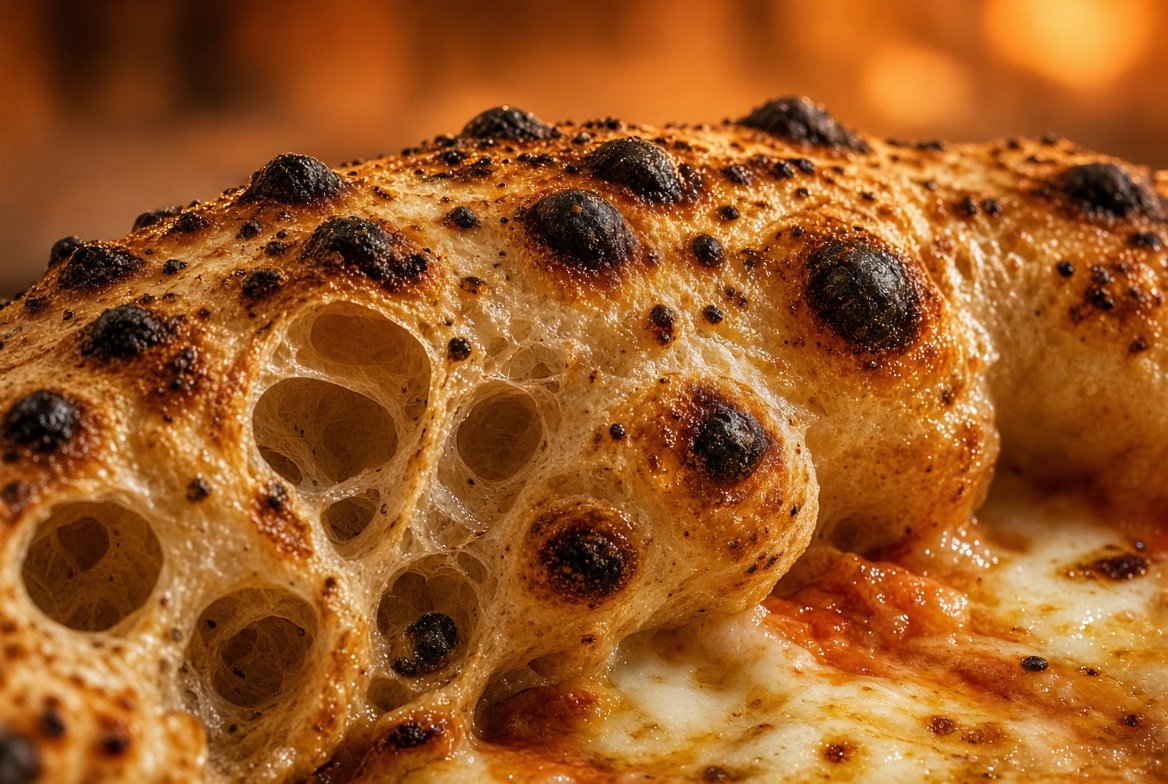
If you’ve ever wondered why pizzeria crusts boast gorgeous blistered charred spots, airy and open crumb structures, and deep, complex flavors that store-bought doughs lack, the secret isn’t an obscure ingredient—it is time. *The Master Guide to Cold Fermenting Pizza Dough* reveals how harnessing the power of slow, cold fermentation transforms basic kitchen ingredients into extraordinary, artisan-quality pizza. Say goodbye to springy, difficult-to-stretch dough and pale, bland crusts, and step into a world of effortless, restaurant-grade weekend pizza making right from your home oven.
This guide explores the foundational science, timing schedules, and dough mechanics behind long-fermented pizza styles. It covers artisanal Italian Neapolitan-style pizza, classic foldable New York-style street pizza, and thick, airy Pan Pizza (including Detroit-style and cast-iron skillet variations). You will explore flour selection, hydration math, yeast behavior in cold environments, temperature control, and baking techniques across both conventional home ovens and high-heat outdoor pizza ovens.
Included Sections:
Master 65% Hydration Cold Ferment Pizza Dough – The universal base formula perfect for home ovens and outdoor setups.
Neapolitan-Style Dough Formulation: – Authentic, light, and tender dough built for rapid, high-heat bakes.
New York-Style Dough Formulation: – Pliable, chewy dough crafted specifically to achieve a rich golden-brown crisp in standard kitchen ovens.
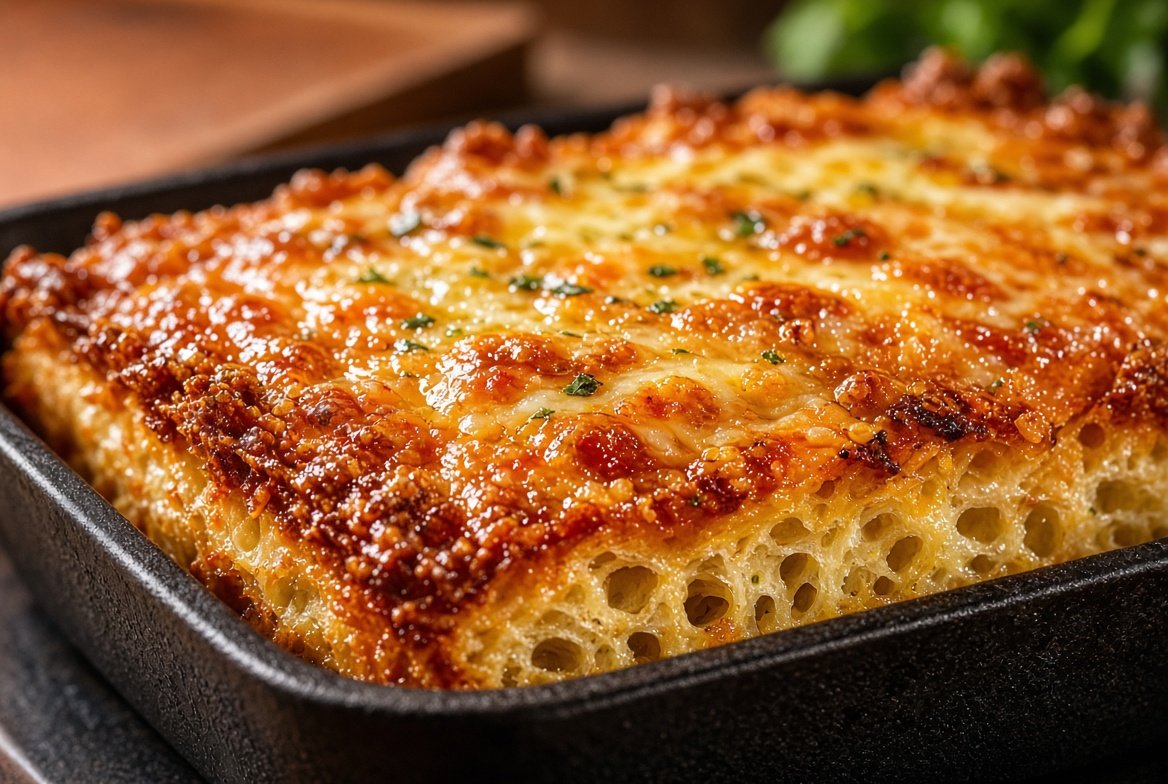
High-Hydration Pan Pizza Dough (70%–75% Hydration): – Wet, airy dough formulated for cast-iron and Detroit-style pans to deliver a fried, crisp, cheese-crusted edge (*frico*).
Learn:
Mastering Baker’s Percentages: – Scale dough batches precisely using flour weight ratios.
Mixing and Kneading Methods: – Learn autolyse resting, pinch-and-fold mixing, slap-and-fold hand kneading, and the windowpane test.
Portioning and Balling: – Techniques for dividing dough and shaping smooth, tight dough balls.
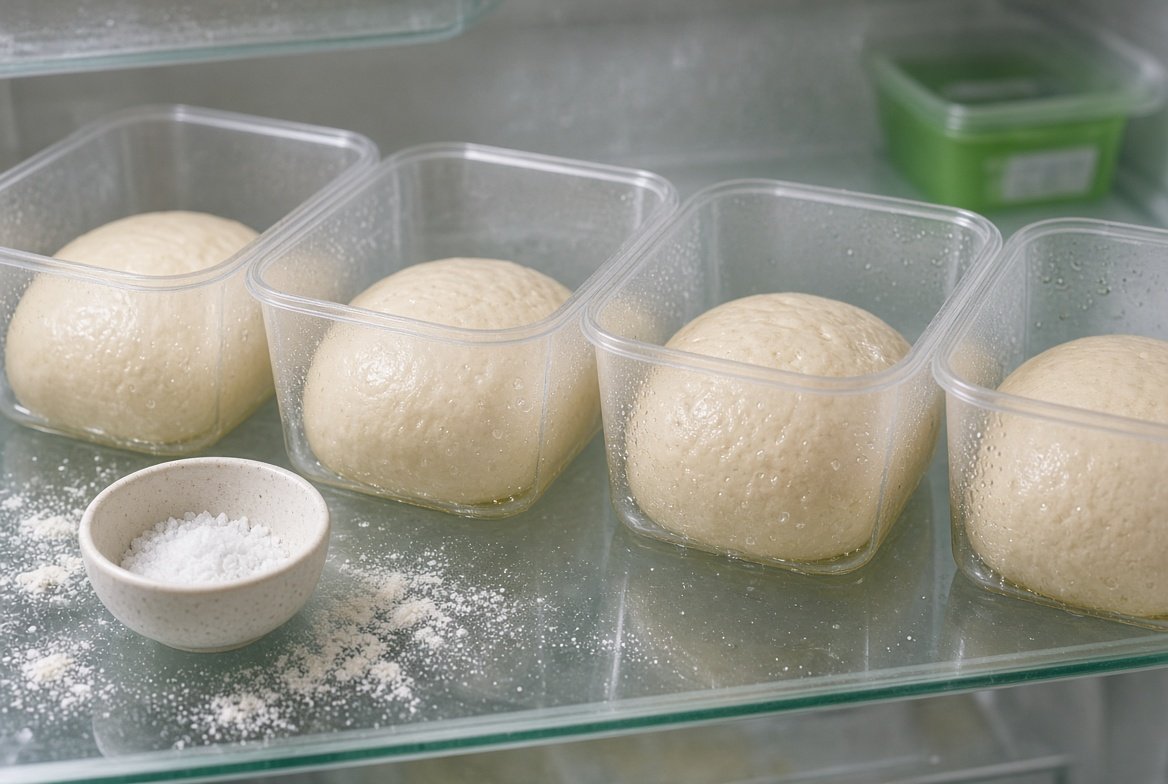
Cold Fermentation Management: – Managing timing windows (24, 48, and 72+ hours) to optimize flavor and gluten structure.
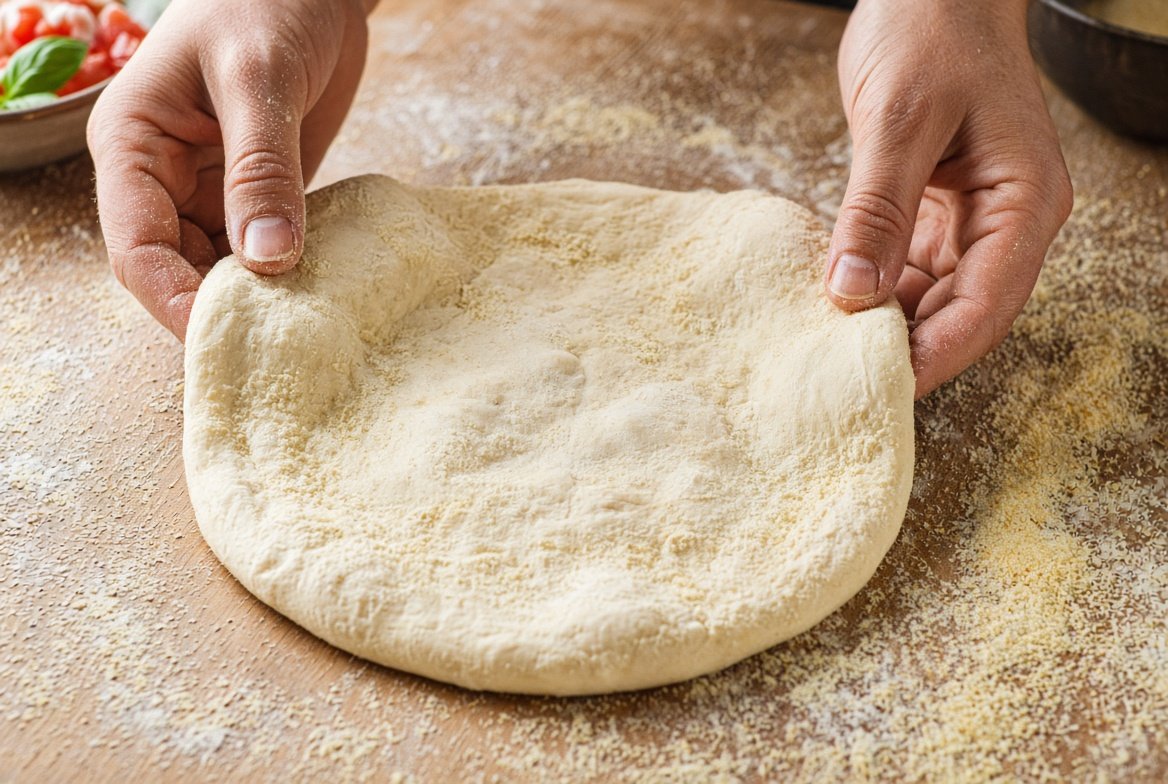
Skin Opening & Stretching: – How to open dough by hand, build a puffy *cornicione* (rim), and stretch without using rolling pins or tearing the skin.
Peel Handling & Launching: – Flours and movements needed to slide pizzas seamlessly into hot ovens.
Troubleshooting: – Solutions for common issues like rubbery snap-back, tearing, flat spreading, pale browning, or surface bubbles.
This Results In:
Superior Flavor & Texture: – Cold fermentation allows enzymes to turn starches into flavorful sugars, creating a rich, slightly tangy crust with gorgeous blistering.
Effortless Handling: Long ferments relax the gluten network, making the dough exceptionally extensible and easy to stretch into wide rounds without snapping back.
Easier Digestion: – Slow fermentations break down complex carbohydrates and gluten proteins ahead of time, resulting in a lighter feel on the stomach.
Weekend Flexibility: – Prep your dough days in advance so cooking on Friday or Saturday night takes only minutes of active effort.
This ebook is designed for home bread bakers, pizza enthusiasts, home cooks, and outdoor pizza oven owners (Ooni, Gozney, etc.) of all skill levels. Whether you are a beginner looking to move past quick-rise pizza doughs or an experienced baker wanting to master cold fermentation timelines and hydration mathematics, this guide provides clear, practical instruction.
Detailed Sections
Complete step-by-step master timeline from mixing to baking.
Ingredient and Baker’s Percentage reference tables.
A detailed Style Comparison Guide for Neapolitan, New York-Style, and Pan Pizzas.
Step-by-step dough stretching, balling, and baking procedures for home ovens and outdoor ovens.
Comprehensive troubleshooting guide addressing common dough and baking problems.
This product is an instant digital download. Upon purchase, you will receive digital files (such as PDF and EPUB formats) compatible with e-readers, tablets, smartphones, and desktop computers, as well as printable formats for easy kitchen reference. *No physical book will be shipped.*
Stop settling for tough, flavorless crusts and take full control of your pizza night. Elevate your baking skills, master the art of slow fermentation, and start baking blistering, delicious, artisan-style pizzas at home this weekend!
Cold ferment pizza dough, Neapolitan pizza dough recipe, New York style pizza dough, artisan pizza crust guide, pizza dough hydration percentage, slow fermentation dough, pizza troubleshooting guide, home oven pizza steel bake, pizza dough baker’s percentages, homemade pizza crust science.